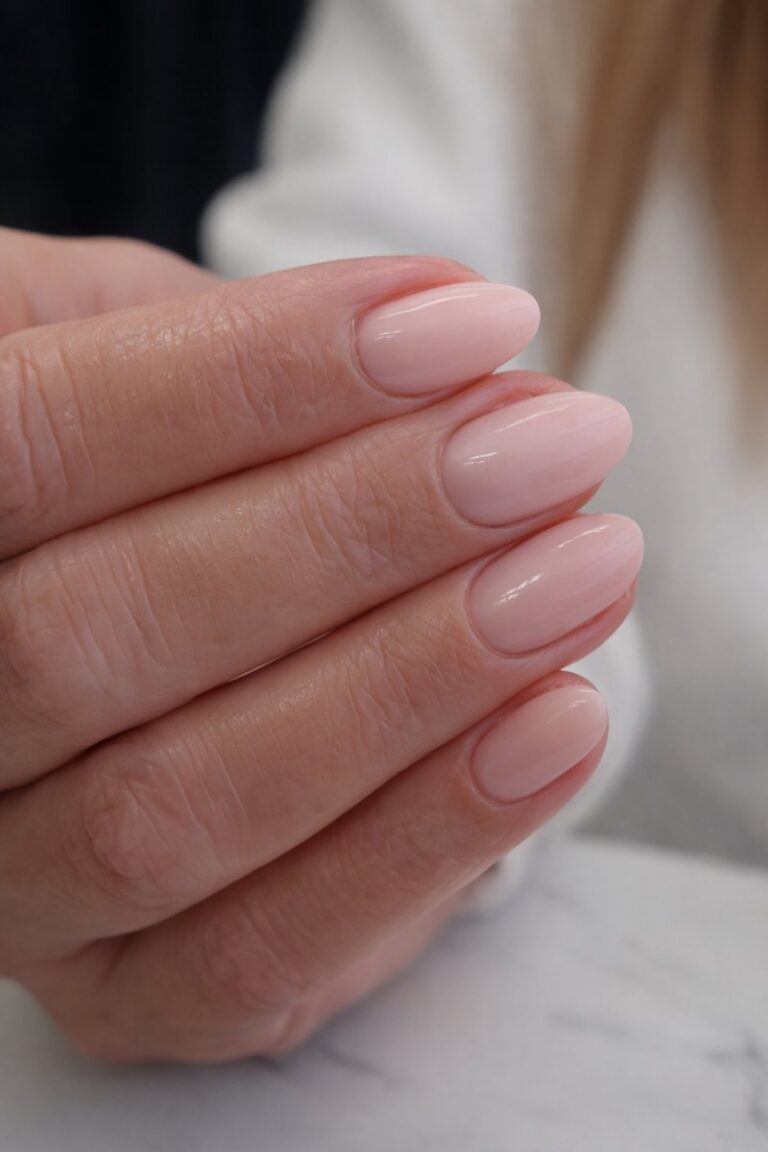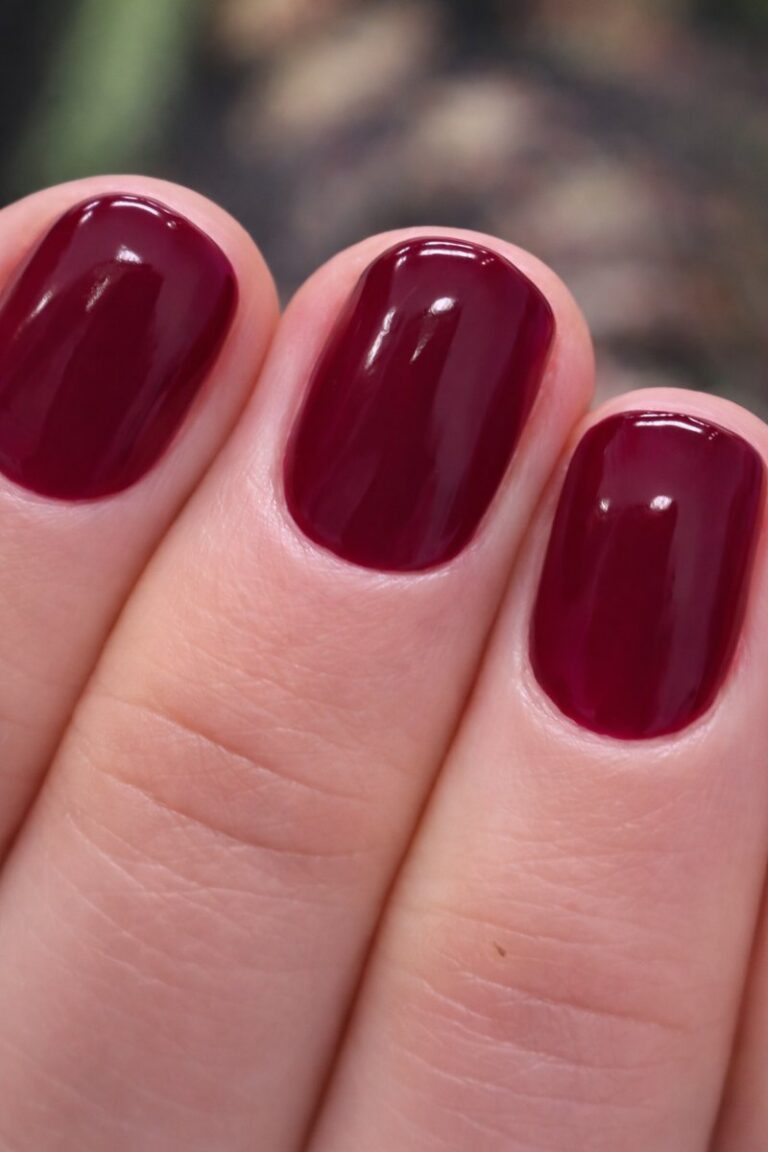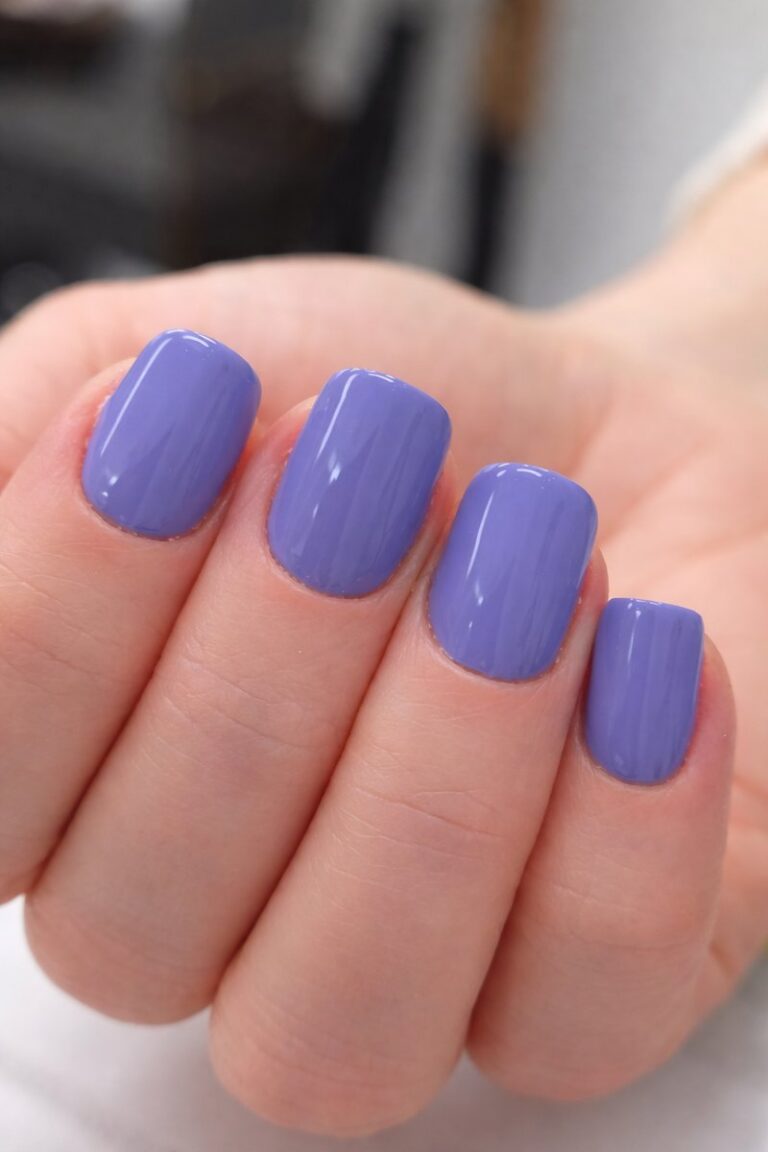

If you’ve spent any time looking at Russian manicures online, you’ve probably noticed two things. The results look incredible. And half the internet thinks the technique will destroy your nails.
Dermatologists post warnings. TikTok comments are a battlefield. Even nail techs can’t agree. So who do you actually listen to?
I have over 11 years of experience as a professional nail technician, and Russian manicure is one of my specialist services. Not a weekend course. Not something I picked up from YouTube. Years of training, practice, and working on real clients every single week. Here’s what I’ve actually seen, what the risks genuinely are, and how to tell whether the person holding the e-file knows what they’re doing.
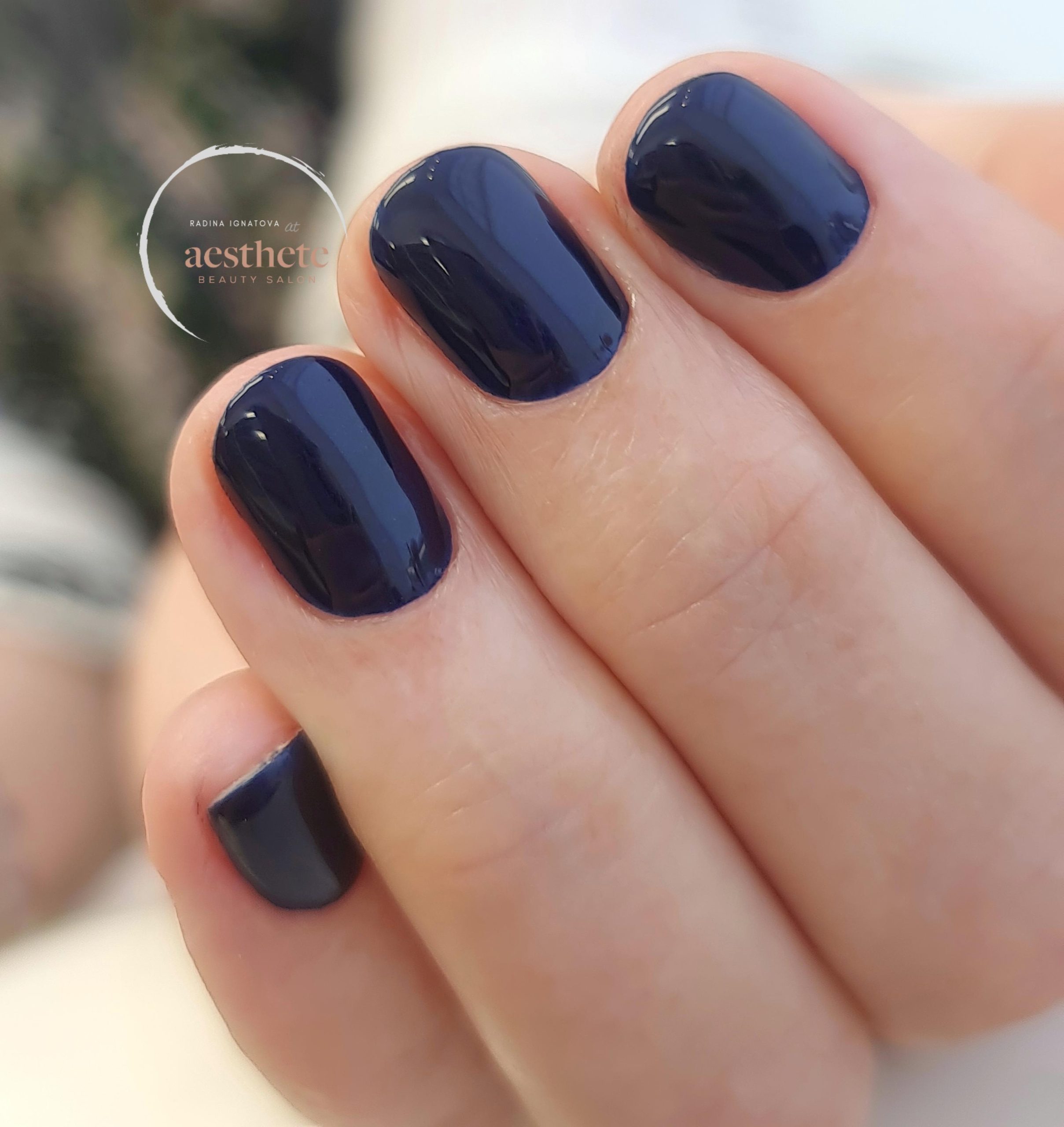
A Russian manicure is a dry cuticle preparation technique. No water. No soaking. An electric file fitted with fine diamond bits is used to gently remove the dead skin around your cuticle area and clean up the nail plate.
The word “gently” matters. What’s being removed is pterygium, the thin layer of dead skin that creeps forward onto your nail as it grows. It’s not living tissue. It’s not the seal that protects your nail from bacteria. That seal is called the eponychium, and a properly trained tech doesn’t touch it.
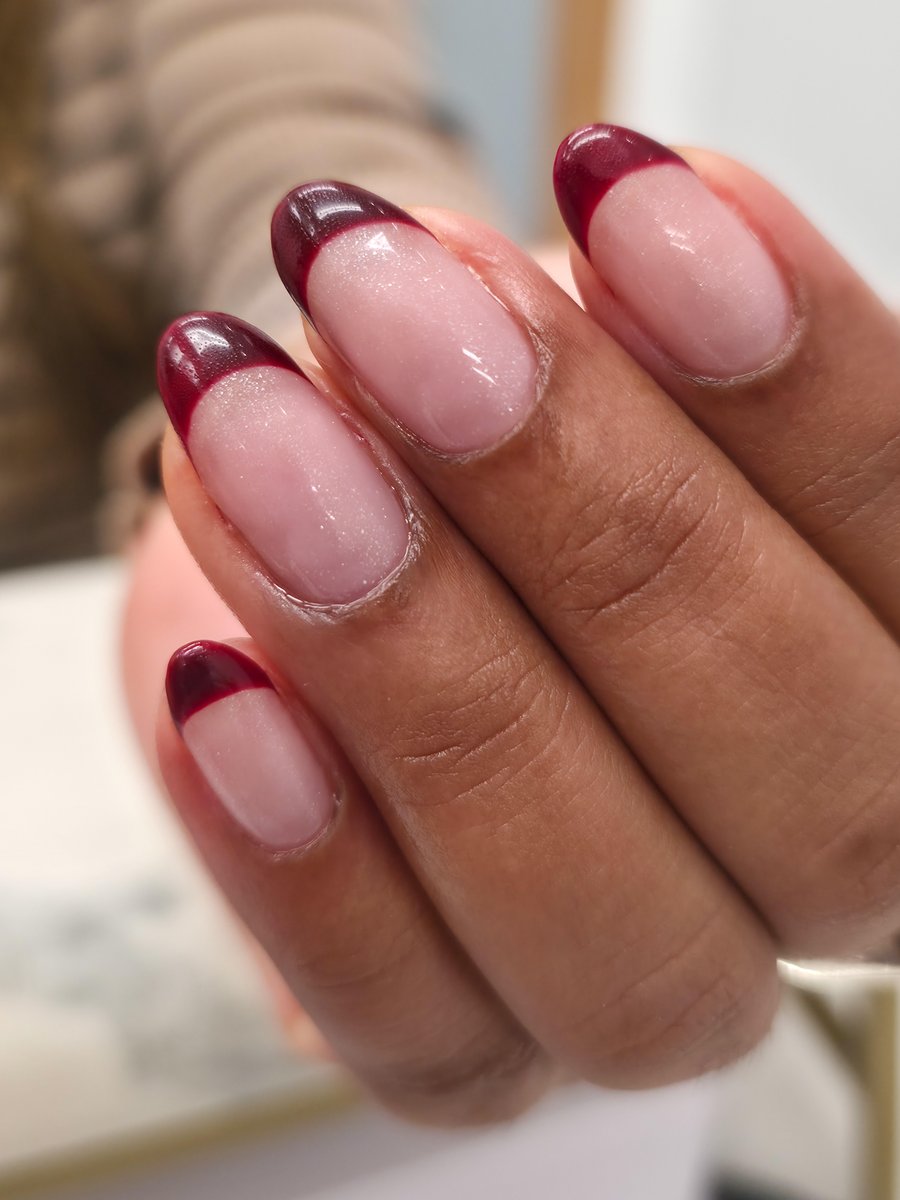
After the dead skin is cleared, your nail plate is completely smooth and dry. Gel polish, BIAB, or whatever product you’re having applied bonds directly to a clean surface with no moisture, no residue, nothing sitting between the product and the nail. That’s why Russian manicures last three to five weeks instead of peeling at the edges after ten days.
The cuticle powder used during the process keeps everything controlled. Less friction, less heat, less chance of irritation. It’s precise work, and when it’s done right, most clients find it genuinely relaxing.
Compare that to a traditional manicure where your hands sit in a bowl of warm water for five to ten minutes. Soaking softens the skin, which sounds pleasant, but it also makes the cuticle tissue swell and become harder to read. A tech working on waterlogged skin can’t feel the boundary between dead and living tissue as clearly. Then they push or cut with metal tools, and the nail plate still has moisture trapped underneath when product goes on. That moisture is why traditional manicures lift at the edges within a week or two.
Nobody made these concerns up. A published medical case study in the National Library of Medicine documents paronychia and nail shedding after a Russian manicure gone wrong, and dermatologists have raised legitimate questions about what happens when the cuticle barrier is compromised by aggressive filing. Real clinical observations. Not scare tactics.
But context matters.
Here’s what most articles leave out: in every documented case of damage, the cause was an untrained or careless technician, not the technique itself. Filing too aggressively, using the wrong bit, working on living tissue instead of dead skin, skipping sterilisation. Human errors. Not flaws in the method.
Across professional forums like Salon Geek, you’ll find the UK nail industry genuinely split on this. Some UK-trained techs won’t go near an e-file on cuticle skin. Eastern European-trained techs who’ve been doing this for decades without a single infection find that baffling. It’s not an evidence debate. It’s a training background and comfort level debate.
And the “Russian manicure is banned in the UK” claim? It’s not true. There’s no law or regulation banning the technique. Some professional bodies recommend caution with e-file use on skin in unregulated settings, which is a hygiene guideline, not a legal restriction.
When a Russian manicure causes damage, you can almost always trace it back to one of these problems.
Not enough supervised practice. A tech can learn the theory in a day. But the feel of dead skin versus living skin, the difference between pterygium that needs clearing and an eponychium that must stay intact, that understanding only comes from hundreds of hours of hands-on work under someone who already knows.
Wrong drill bit. Diamond bits come in different grits and shapes, each designed for a specific task. A coarse bit where a fine one is needed creates abrasion that shouldn’t be there. Simple as that.
Rushing. A proper Russian manicure takes time. Thirty minutes for dry prep alone. If someone’s trying to do full cuticle work in ten minutes, corners are being cut.
Poor sterilisation. This is the one that matters most, because the technique involves working extremely close to living tissue, and if tools aren’t properly cleaned and sterilised between every single client, the risk of transferring bacteria goes from theoretical to real very quickly.
Browse Reddit for five minutes and you’ll find posts from people who had painful, red, inflamed cuticles after a Russian manicure. Read the details of those posts carefully. Almost every time it’s the same story: a new salon, a suspiciously cheap price, a tech who was clearly winging it. The technique didn’t fail those people. The person holding the e-file did.
So how do you protect yourself? It comes down to knowing what to look for before you sit down, and being willing to walk out if something feels wrong.
Ask how long the tech has been doing Russian manicures specifically. Not nail tech experience in general. E-file cuticle work specifically. Years of that matters far more than months of general training.
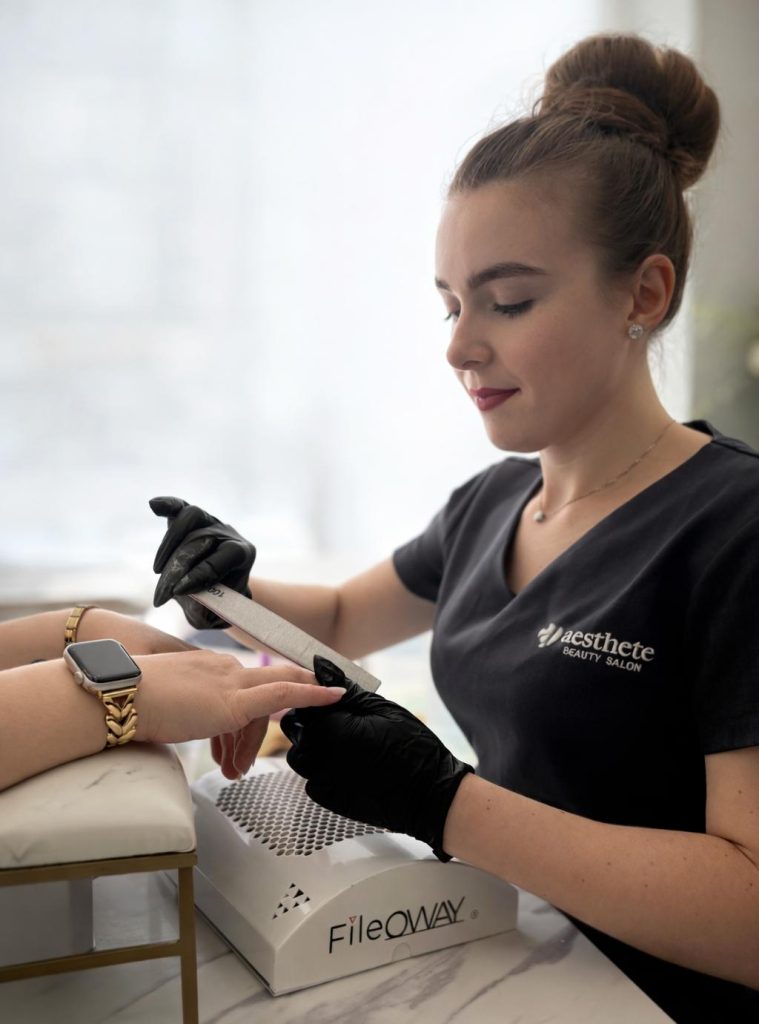
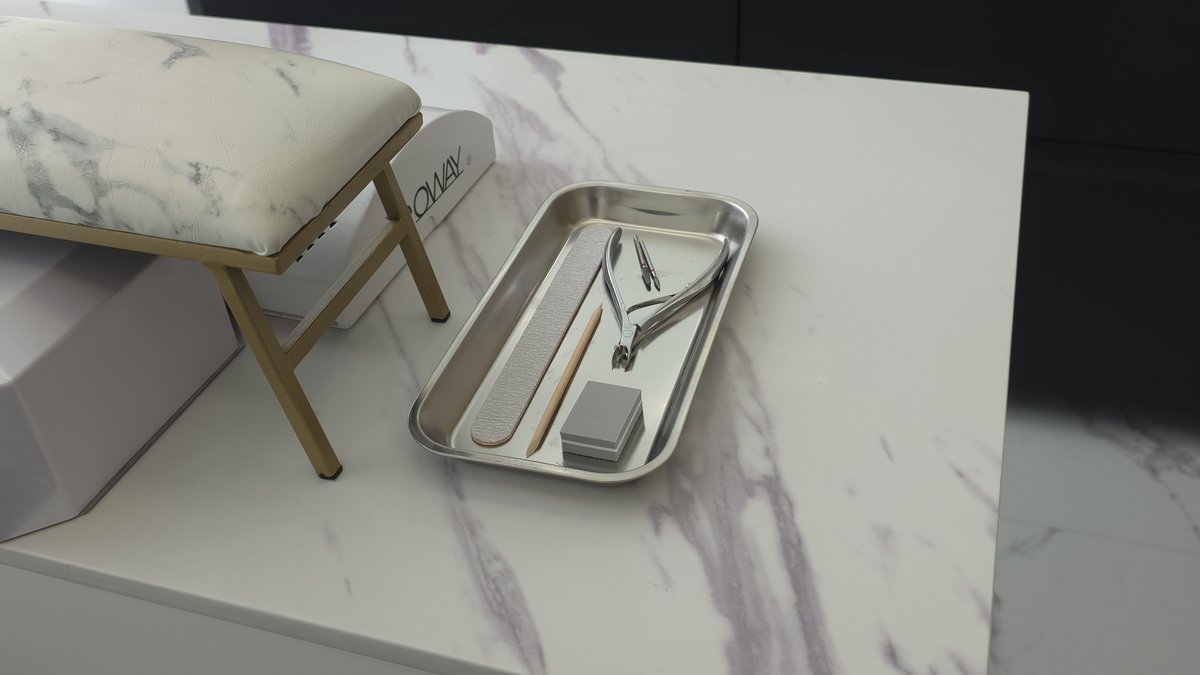
Look at the station before they start. Are the tools individually prepared? Are nail files fresh and unused? Are they wearing gloves? If a tech pulls out tools that look like they were just used on the previous client, leave.
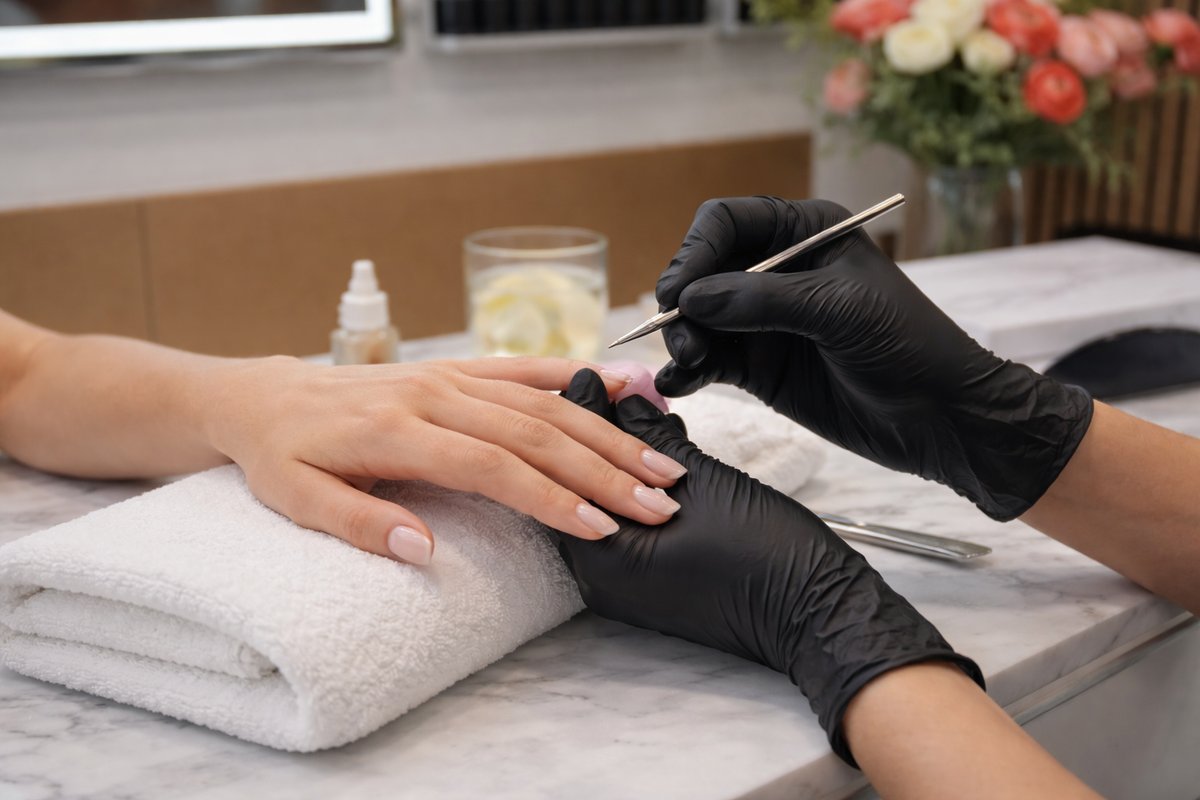
Watch how they work. A skilled tech moves slowly, uses light pressure, and checks your cuticle area constantly. They’ll use cuticle powder to reduce friction and heat. If you feel sharp pain or burning at any point, that’s not normal and you should say so immediately.
After the service, your cuticle area should look clean, smooth, and completely calm. No redness. No cuts. No irritation. If it looks angry or inflamed, something went wrong.
And trust your instincts. A good tech will explain what they’re doing without you having to drag it out of them, will answer questions without getting defensive, and will genuinely want you to feel comfortable before any tool touches your nails. If someone brushes off your safety concerns or rolls their eyes at your questions, that tells you everything you need to know about how carefully they’ll handle your cuticles.
At Aesthete Beauty, every Russian manicure follows the same process.
Tools are cleaned between every single client. Disposable files and buffers are used once and thrown away. Gloves are worn throughout. Vodex dust extraction runs during the entire appointment to keep airborne particles away from you and the work surface.
The products are HEMA-free and TPO-free. That matters because roughly 10 to 15 percent of people develop sensitivity to HEMA after repeated exposure, especially with gel products. Removing that risk is a simple decision when safer alternatives exist.
Every client’s nail health is assessed before any work starts. If your cuticle skin is inflamed, torn, or showing signs of infection, Russian manicure isn’t happening that day. Pushing ahead on compromised skin is how problems start, and it’s not something that happens in this salon.
The technique uses cuticle powder throughout, which makes the e-file work gentler and more controlled. Clients regularly comment that they find it more comfortable than traditional cuticle pushing.
Russian manicure has been the foundation of this salon since it opened. It’s not a trend that got added to the menu last year. It’s the core service, done properly, by an experienced specialist. Radina has over 11 years in the nail industry and has been featured in Who What Wear UK as an expert nail technician and in Scratch Magazine for nail art, so the credentials are verifiable, not just claimed on a website.
Clients who come in nervous about trying it for the first time almost always rebook. That’s not marketing speak. It’s what actually happens when someone with genuine skill does this technique on your nails and you see the result four weeks later with zero lifting and a cuticle line that still looks freshly done.
Russian Manicure (dry, no polish) starts from £40. This is the full cuticle preparation without any colour applied. Takes around 30 minutes. Ideal if you’re having a separate gel or BIAB appointment, or if you just want the cleanest possible natural nail.
Russian Manicure with Gel Polish starts from £65. Includes full e-file cuticle preparation followed by HEMA-free gel polish application. Takes around 1 hour and 10 minutes. Expect three to five weeks of wear with no lifting.
BIAB with Russian Manicure Technique starts from £79. The combination that gives the longest-lasting result. Full Russian manicure preparation followed by builder gel overlay. Takes around 1 hour and 20 minutes.
You can book online any time or call 01382 217888.
What are the negatives of Russian manicure?
The main risk is having it done by someone without enough experience. The technique involves working close to living tissue with a powered tool, so mistakes cause real damage. In skilled hands, the risks are minimal. In unskilled hands, you can end up with inflammation, infection, or nail damage.
Is Russian manicure banned in the UK?
No. There is no law banning Russian manicure in the UK. Some professional bodies advise caution with e-file use on cuticle skin, but that’s a recommendation about training standards, not a legal prohibition on the technique.
Can Russian manicure damage your nails?
When done correctly, no. The e-file works on dead skin only. The nail plate itself isn’t filed. Damage happens when an inexperienced tech files into living tissue or over-buffs the nail surface. Results actually improve over time as cuticle overgrowth reduces with regular appointments.
How do I know if my nail tech is trained in Russian manicure?
Ask directly. How long have they been doing this specific technique? Where did they train? A confident, experienced tech will answer without hesitation. Be wary of anyone who learned from YouTube or completed a single weekend course.
What’s the difference between Russian manicure and a normal manicure?
A traditional manicure soaks your hands in water, then uses manual tools to push or trim the cuticles. A Russian manicure is completely dry, using an e-file with cuticle powder to precisely remove dead skin. The dry technique gives better product adhesion and significantly longer wear time.
Is Russian manicure safe during pregnancy?
The products used at Aesthete Beauty are HEMA-free and TPO-free with no strong chemical fumes. There are no known risks from the e-file cuticle technique during pregnancy. Hormone changes in the third trimester can sometimes affect how well products adhere, but the preparation itself is safe.
How often should you get a Russian manicure?
Most clients settle into a routine of every four to five weeks once their cuticles are well maintained. If you have significant cuticle overgrowth from never having had one before, starting at three-week intervals helps get things under control faster.
What is the least damaging manicure to get?
A properly done Russian manicure with HEMA-free gel polish or BIAB is one of the gentlest options available. The dry preparation is less aggressive than soaking and cutting, and HEMA-free products reduce the risk of allergic sensitisation over time.
If you’ve been going back and forth on whether to try Russian manicure, the best thing you can do is book with someone who has proper training and years of experience as a nail professional. Radina has over 11 years in the industry, and Aesthete Beauty is the only salon in Dundee that offers it as a specialist service.
Book your Russian manicure at Aesthete Beauty, 76 Bell St, Dundee DD1 1HF. Online booking is available 24/7, or call 01382 217888.
Whether you're looking to book a treatment or just have a question, we'd love to hear from you. Book online any time or get in touch using any of the options below.
We serve clients from across Dundee and the surrounding areas including the West End, Broughty Ferry, Newport-on-Tay, Monifieth, Carnoustie, and further afield.