If you’ve worn acrylics for years and someone’s just told you about BIAB, you’re probably wondering whether it’s actually worth switching. Acrylics work. You know what you’re getting. Why change?
Or maybe you’ve never had either and you’re trying to figure out which one to start with, because the internet has strong opinions about both and none of them seem to agree.
Here’s a straightforward comparison from a nail tech who’s worked with both systems and made a deliberate decision about which one to offer clients.
Acrylic nails are created by mixing a liquid monomer with a powder polymer to form a paste that gets sculpted onto your natural nail or a tip. It hardens through a chemical reaction when exposed to air, not under a lamp. The result is a rigid, durable structure that can be filed into any shape and built to any length.
Acrylics have been the default extension system for decades. They’re strong, they hold their shape, and a skilled tech can build dramatic lengths and complex structures that would be impossible with natural nails alone. For people who want long stilettos, heavy embellishments, or extreme shapes, acrylics deliver structural rigidity that softer systems can’t match.
The trade-off is that acrylic application involves strong chemical fumes from the monomer liquid, and the product itself is rigid rather than flexible. When an acrylic nail catches on something, it doesn’t bend. It either holds firm or it snaps, and when it snaps, it can take layers of natural nail with it. Over months and years of wear, the cycle of filing down old acrylics and reapplying new ones gradually thins the natural nail underneath, which is why long-term acrylic wearers often find their nails in poor condition when they eventually take a break.
BIAB stands for Builder In A Bottle. It’s a builder gel applied as an overlay on your natural nail to add strength and structure. It gets cured under an LED lamp rather than hardening through chemical reaction, which means no fumes during application.
The texture is different from acrylics in a way that matters. BIAB has flex to it. It moves slightly with your natural nail rather than sitting on top as a rigid shell. When your nail bends under pressure, the BIAB bends with it instead of cracking or snapping. That flexibility is why BIAB causes significantly less damage to the natural nail over time compared to rigid systems.
BIAB can be infilled rather than fully removed at every appointment. Your tech adds fresh product to the regrowth area, blends it into the existing overlay, and you’re done. Less filing, less acetone, less repeated trauma to the nail plate underneath. Over months of regular appointments, that difference adds up considerably.
At Aesthete Beauty, BIAB starts from £49. Infills from £49. BIAB with Russian manicure preparation from £79.
Strength: acrylics are harder and more rigid. BIAB is strong but flexible. For everyday life, BIAB’s flexibility is actually an advantage because it absorbs impact rather than transferring it to your natural nail.
Durability: acrylics last three to four weeks before an infill. BIAB lasts three to four weeks with standard preparation, five to six weeks with Russian manicure prep.
Weight: acrylics feel heavier on the nail, especially at longer lengths. BIAB is noticeably lighter, even as an overlay with some added length.
Fumes: acrylic application involves liquid monomer with a strong chemical smell. BIAB is virtually odourless because it cures under LED light rather than through chemical reaction.
Removal: acrylics need filing down then soaking in acetone, which is time-consuming and hard on the nail. BIAB can be soaked off or maintained through infills without full removal.
Nail health: this is where the difference is starkest, and it’s the reason more and more salons are moving away from acrylics as their primary extension system. Acrylics filed off and reapplied repeatedly over months gradually thin the natural nail plate until it’s paper-thin and prone to splitting. BIAB infills avoid that destructive cycle entirely because the overlay stays on and gets maintained rather than stripped and rebuilt from scratch every time. Clients who switch from long-term acrylics to BIAB consistently report that their natural nails feel noticeably stronger within two to three months.
Price at Aesthete Beauty: BIAB from £49. BIAB with Russian manicure from £79.
Acrylics aren’t bad products. They serve a specific purpose that BIAB doesn’t fully replace.
Extreme length. If you want nails that extend well past the fingertip in shapes like stiletto or coffin, acrylics provide the structural rigidity needed to support that length without breaking. BIAB can add moderate length, but it’s too flexible for extreme extensions.
Heavy nail art. Designs that involve significant three-dimensional elements, heavy embellishments, or layered textures need a rigid base. Acrylic gives techs more sculpting control for complex structural work.
Habit and familiarity. Some clients have worn acrylics for years and genuinely prefer the feel. A rigid nail with some weight to it is what they’re used to, and BIAB feels too natural for what they want. Preference is valid, and no one should tell you your choice is wrong if that’s genuinely what you prefer.
For the majority of people who get their nails done, BIAB does everything they actually need and does it with less damage to the natural nail underneath.
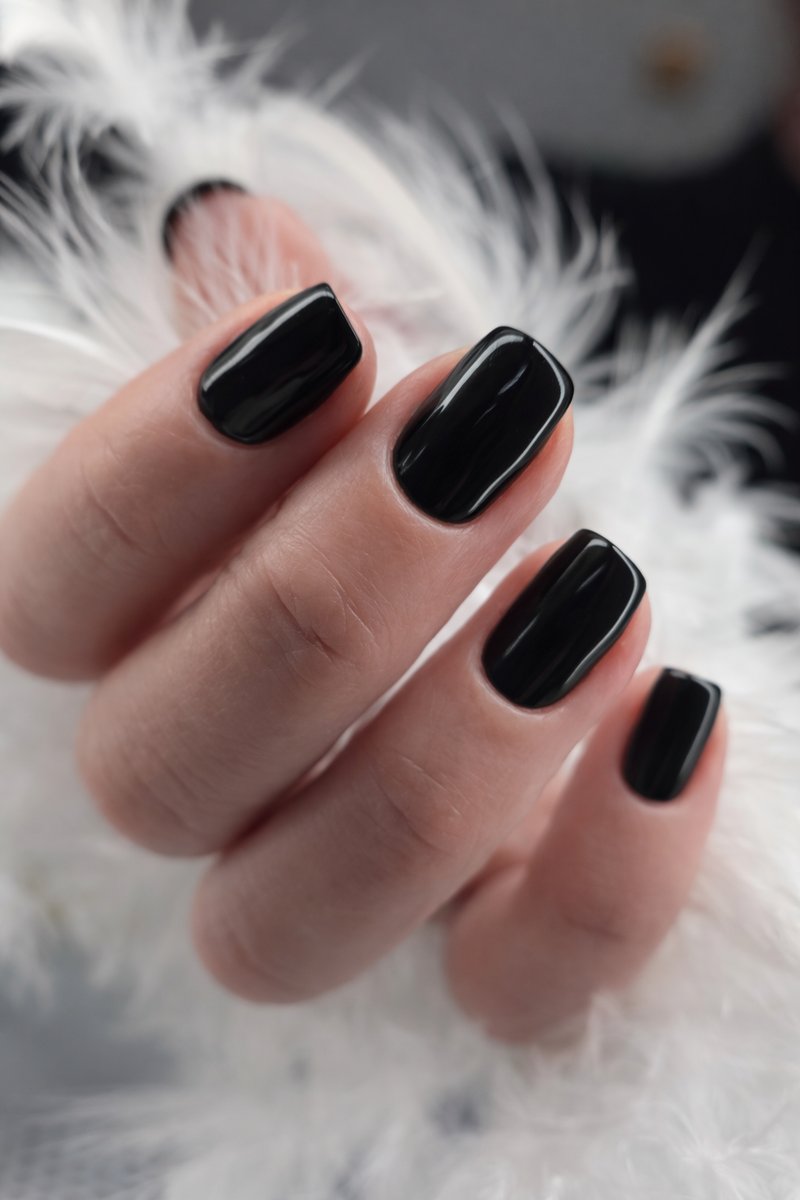
If your goal is strong, good-looking nails in natural to moderate lengths, BIAB gives you that without the fumes, the rigidity, or the repeated filing damage of acrylics.
Worth knowing if your workplace has restrictions on artificial nails: BIAB is the answer. Healthcare workers, nursery staff, food handlers, and people in roles where hygiene policies prohibit traditional extensions regularly book BIAB because it looks and feels natural enough to pass any inspection while still providing genuine structural reinforcement that stops nails from breaking on the job.
If you’ve been wearing acrylics for a long time and your natural nails are thin, peeling, or in rough condition, switching to BIAB is the fastest path to recovery. The overlay protects the damaged nail while it grows out, and after a few months of regular BIAB appointments, most clients have natural nails they didn’t think were possible anymore.
And if you’re starting from scratch and have never had either, BIAB is the lower-risk starting point. Less commitment. Less damage potential. Easier removal if you decide it’s not for you. You can always try acrylics later if you want something more dramatic, but starting with BIAB gives your nails a foundation of strength rather than starting them on a system that chips away at them over time.
Yes. Clients do this regularly at Aesthete Beauty.
The process starts with professionally removing the acrylics, which involves filing down the bulk of the product then soaking the remainder in acetone. Your tech will assess the condition of your natural nails after removal. If they’re in decent shape, BIAB can go on the same day. If there’s significant damage, a recovery period of one or two weeks with nail oil and IBX treatment might be recommended first.
First-time BIAB after acrylics feels different. Lighter. More flexible. Some clients love it immediately. Others need one or two appointments to adjust to the feel before it clicks. By the third appointment, almost nobody wants to go back.
One thing to be honest about: if you’ve had very long acrylics for years and you switch to a natural-length BIAB overlay, the visual change is significant. Your nails will look shorter and more natural, and that adjustment takes a few weeks to settle into. But what you gain underneath, healthy nail plate growing in without being filed down every three weeks, is worth it. Clients who stick with BIAB through that transition period are always glad they did when they see their natural nails three months later.
Is BIAB as strong as acrylic nails?
BIAB is strong but flexible, while acrylics are strong and rigid. For everyday use at natural to moderate lengths, BIAB provides more than enough strength. For extreme lengths or heavy sculptural work, acrylics have an edge because of their rigidity.
Do BIAB nails last as long as acrylics?
Yes. Both last three to four weeks between infills with standard preparation. BIAB with Russian manicure preparation often lasts five to six weeks, which is longer than most acrylic wearers get between fills.
Is BIAB less damaging than acrylics?
Significantly. BIAB’s infill system means less filing and less acetone exposure over time. Acrylics filed off and reapplied repeatedly thin the natural nail. Clients who switch from acrylics to BIAB consistently report healthier natural nails within a few months.
Can I get long nails with BIAB?
BIAB can add moderate length through sculpting or by combining it with soft gel tips. For extreme length, acrylics or hard gel extensions are more suitable because they provide the rigidity needed to support nails well past the fingertip.
Why doesn’t Aesthete Beauty offer acrylics?
Aesthete Beauty focuses on treatments that prioritise nail health alongside appearance. BIAB, gel polish, and Russian manicure preparation achieve excellent results with less risk of long-term nail damage. For clients who want extensions, polygel and soft gel tips are offered as alternatives that are gentler than acrylics.
Are BIAB fumes harmful?
BIAB produces virtually no fumes because it cures under LED light rather than through a chemical reaction. Acrylic application involves liquid monomer fumes that require proper ventilation. All products at Aesthete Beauty are also HEMA-free and TPO-free.
How much does BIAB cost compared to acrylics?
BIAB at Aesthete Beauty starts from £49. BIAB with Russian manicure from £79. Acrylic prices vary by salon but typically range from £30 to £60 depending on length and design. The long-term cost is comparable, but BIAB’s infill system can reduce appointment frequency.
Can I still get nail art with BIAB?
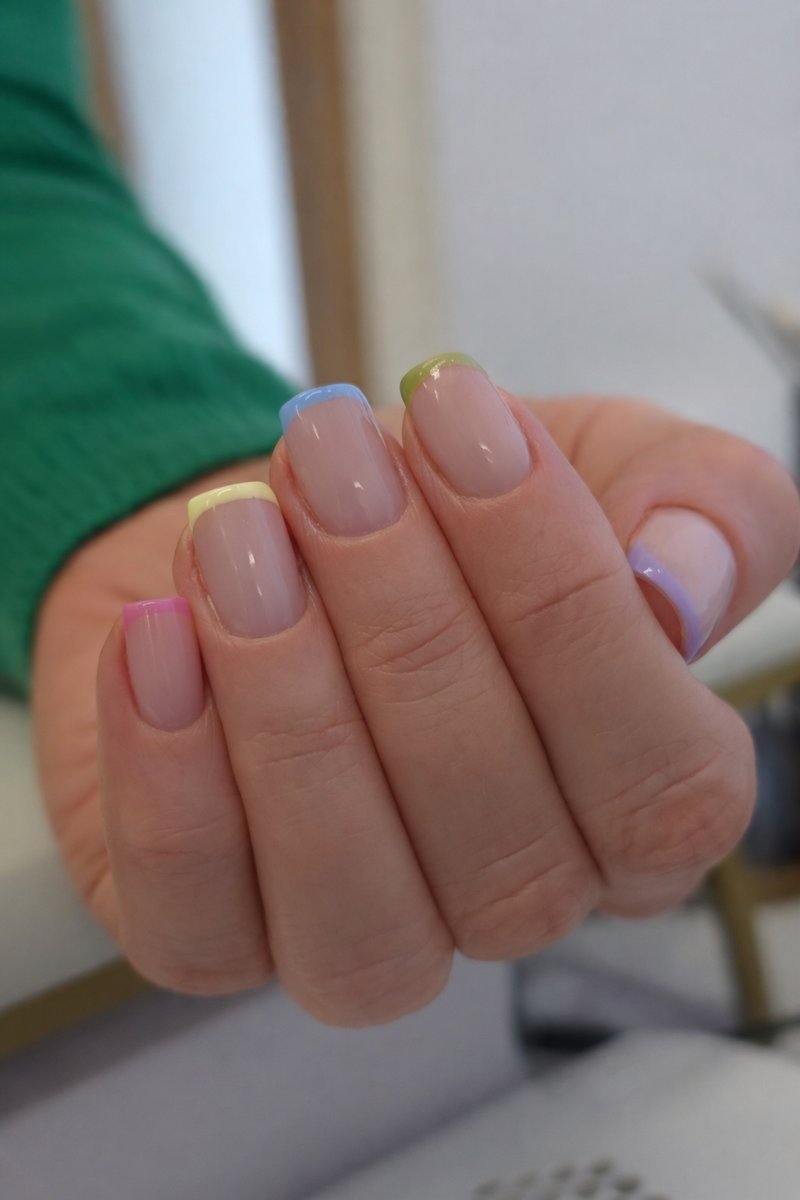
Yes. BIAB provides an excellent surface for all types of nail art including chrome, cat-eye, hand-painted designs, French tips, glitter, and ombre. Nail art is charged separately depending on the design complexity.
If you’ve been thinking about switching from acrylics to something that treats your nails better without sacrificing strength or appearance, BIAB is worth trying. Radina has over 11 years of experience in the industry and can assess your nails, recommend the right approach, and get you started with a system that works long-term.
Aesthete Beauty, 76 Bell St, Dundee DD1 1HF. Book online any time or call 01382 217888.
Whether you're looking to book a treatment or just have a question, we'd love to hear from you. Book online any time or get in touch using any of the options below.
We serve clients from across Dundee and the surrounding areas including the West End, Broughty Ferry, Newport-on-Tay, Monifieth, Carnoustie, and further afield.