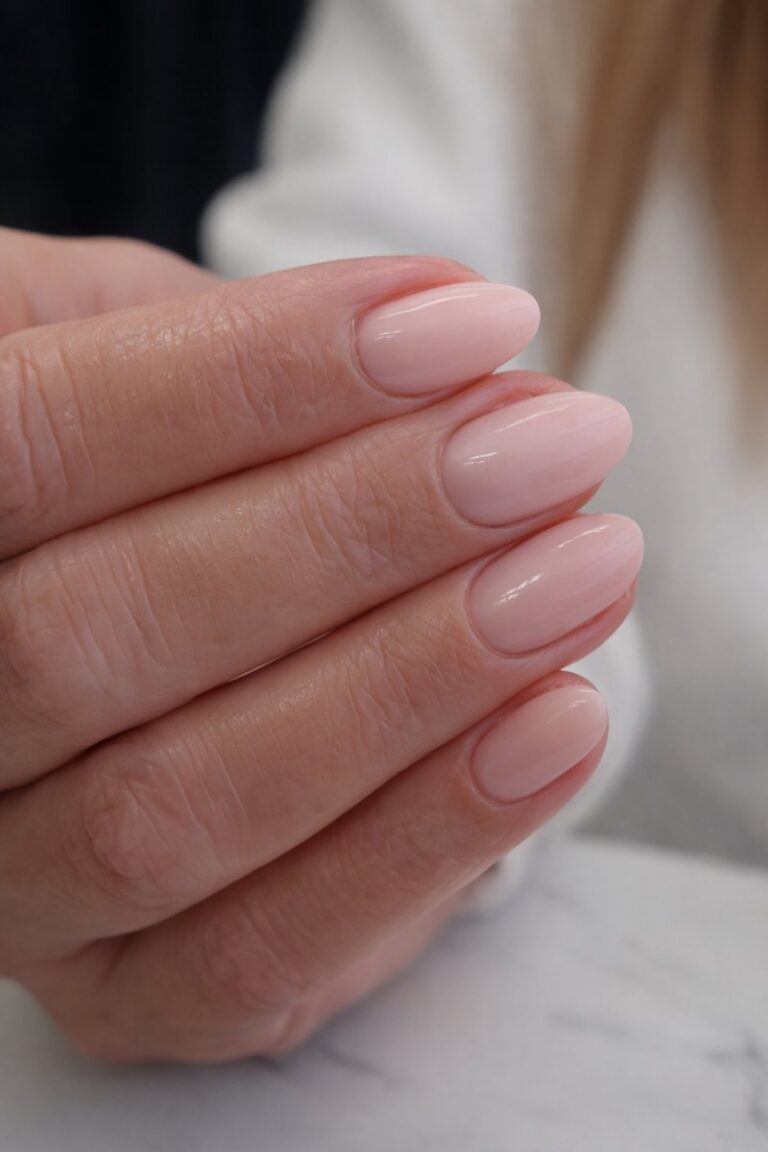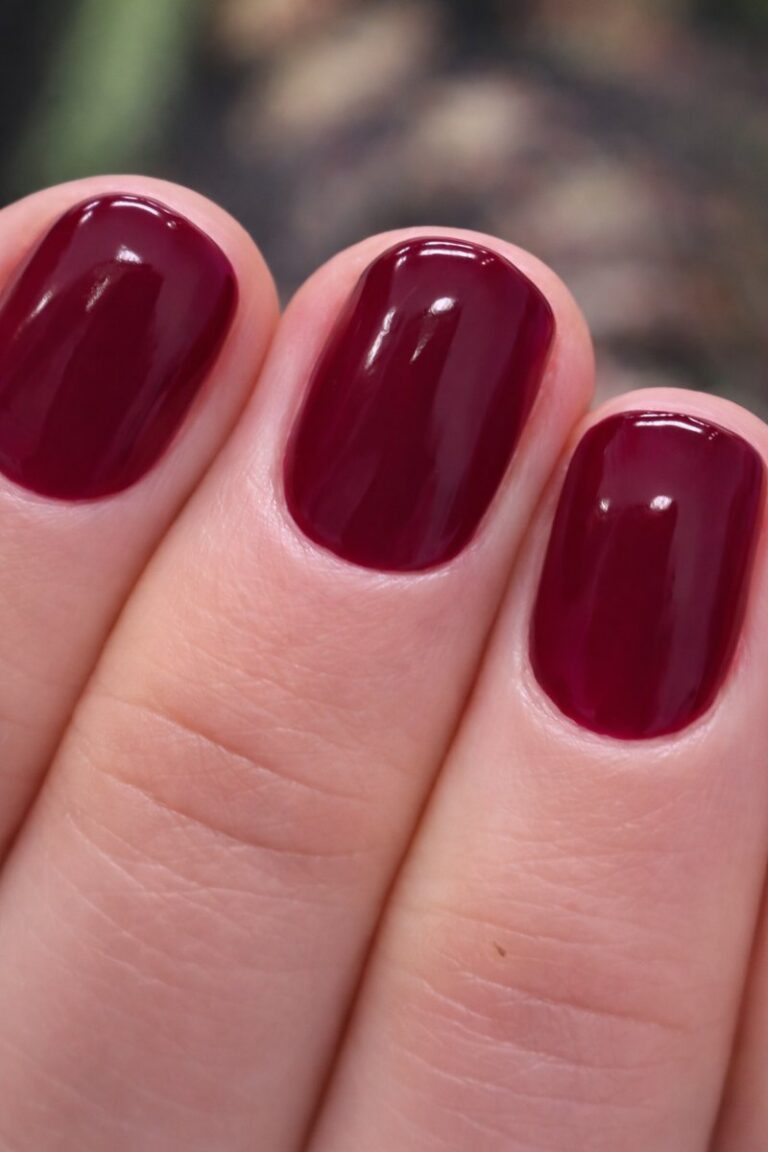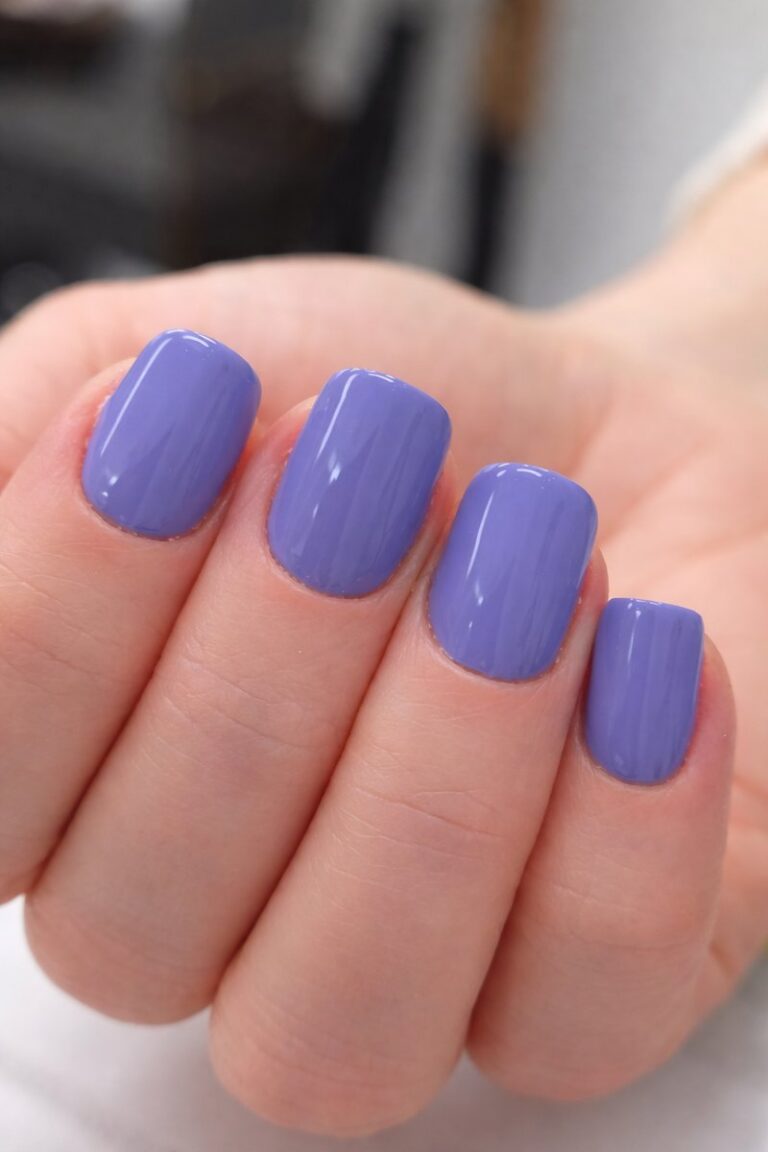


Your gel polish started lifting at the edges after ten days. Again. You paid for a manicure that was supposed to last three weeks and here you sit, barely two weeks in, picking at a corner that’s already caught on your jumper.
The manicure wasn’t bad. The colour was fine. The tech was fine. But something about the way it was applied meant it was never going to hold. And the reason almost always comes back to one thing: the preparation.
That’s the difference between a regular manicure and a Russian manicure. Not the polish. Not the colour. Not even the skill of the person doing it. The prep.
A traditional manicure starts with soaking your hands in warm water for five to ten minutes. The water softens the skin around your cuticles, making them easier to push back or trim with a metal tool. It feels pleasant and it’s been the standard approach in UK salons for decades, as described by NailKnowledge.org.
After soaking, your tech dries your hands, pushes back the cuticles with a wooden stick or metal pusher, and might trim any excess skin with nippers. The nail plate gets a light buff, then dehydrator goes on, followed by base coat, colour, and top coat. Each layer cured under an LED lamp. Done.
The problem is water. When your nails soak, they absorb moisture. The nail plate swells slightly, and so does the skin around it. Everything looks clean and soft, which is why the technique persists, but underneath the surface your nail plate is holding water that shouldn’t be there when product goes on.
Gel polish bonds to the nail through a chemical reaction that requires a dry, clean surface. Water trapped under the base coat creates an invisible barrier that you can’t see or feel at the time of application but that your nails will notice over the coming days. Microscopic pockets of moisture sit between the nail and the product, and as that moisture slowly evaporates and the nail plate contracts back to its normal size, the edges of the gel start to separate from the nail. That’s your ten-day peel. Not a product failure. Not a bad tech. A prep problem that was built into the method before the first coat of colour went on.
A Russian manicure skips the water entirely. No soaking. No softening. Everything happens dry.
An electric file fitted with fine diamond bits is used to gently clean the cuticle area. Dead skin that’s crept forward onto the nail plate gets removed precisely, without cutting into living tissue. Cuticle powder keeps the process controlled, reducing friction and heat.
The result is a nail plate that’s completely dry, clean, and free of any dead skin or residue. When product goes on after this prep, there’s nothing sitting between the gel and the nail. No moisture. No invisible film of dead skin. Nothing for the product to separate from.
That’s why Russian manicures last three to five weeks routinely. The product isn’t better. The colours aren’t different. The lamp isn’t special. The surface it bonds to is cleaner, drier, and more precisely prepared. Everything else follows from that.
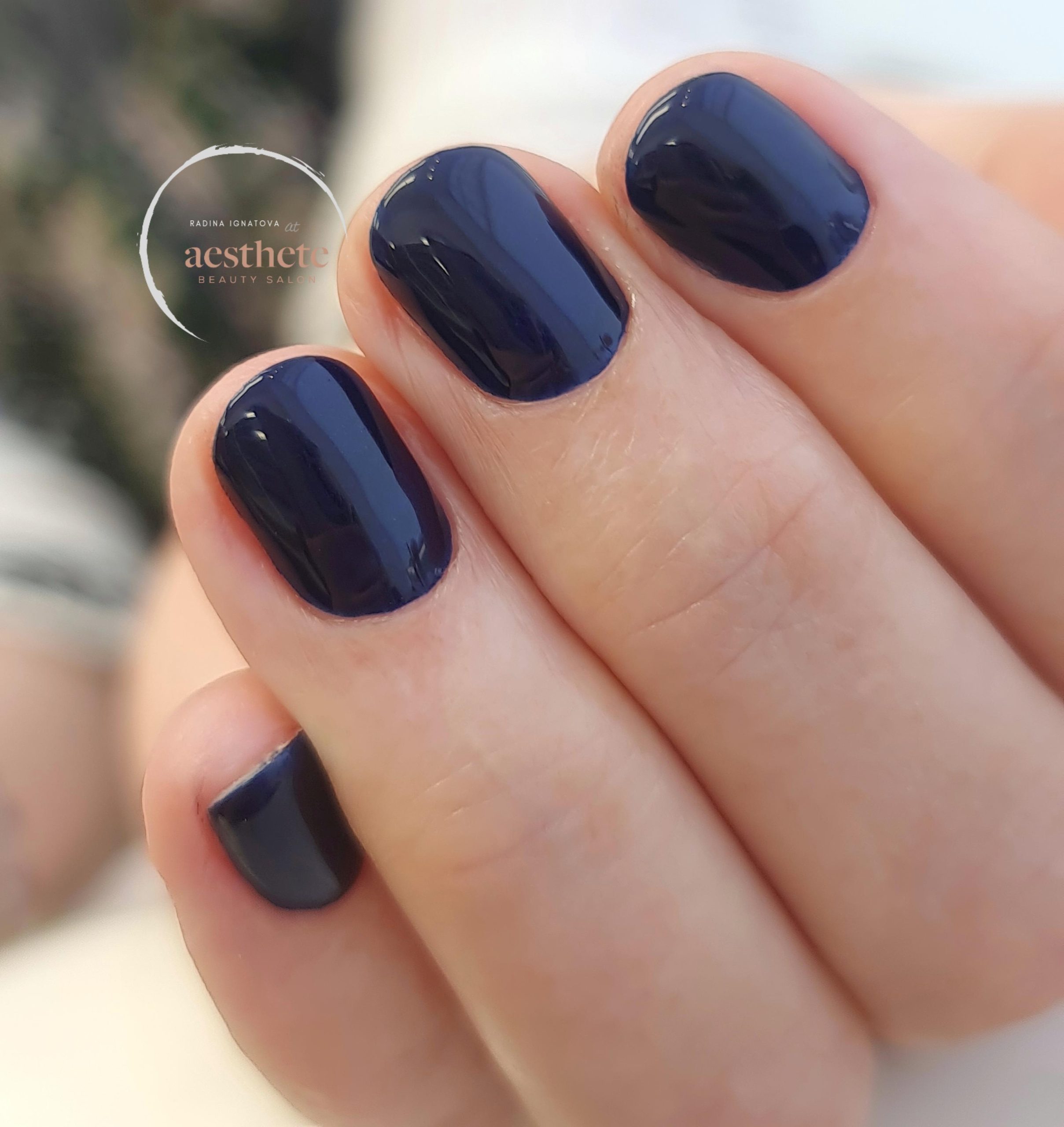
The technique takes longer. About 30 minutes for the dry cuticle preparation alone, which is why appointments are longer and cost more. But the trade-off is that you’re not rebooking two weeks later because your polish started lifting.
Preparation method: regular uses water soaking plus manual tools. Russian uses dry e-file with diamond bits and cuticle powder.
Time for prep: regular takes about 10 minutes. Russian takes about 30 minutes.
Cuticle result: regular pushes cuticles back with some trimming. Russian precisely removes dead skin for a cleaner margin that product can sit closer to.
Product adhesion: regular gives decent adhesion but moisture under the base coat causes earlier lifting. Russian gives superior adhesion because the nail plate is completely dry and residue-free.
Wear time with gel polish: regular lasts about two to three weeks. Russian lasts three to five weeks depending on aftercare and nail growth.
Comfort: regular involves soaking, which most people find relaxing. Russian involves an e-file near the cuticle, which some first-timers find unfamiliar but shouldn’t be painful with an experienced tech.
Price at Aesthete Beauty: express manicure from £25, gel manicure from £43. Russian manicure dry from £40, Russian with gel polish from £65.
Regular manicures work perfectly well for people who don’t need maximum longevity and prefer a quicker, more familiar experience.
If you’re getting your nails done for a specific event and you only need them to look good for a week or two, standard prep with gel polish does that job at a lower price point and a shorter appointment time.
If you’ve never had your nails done professionally and the idea of an electric file near your cuticles sounds intimidating, starting with a regular manicure lets you ease into the salon experience. You can always try Russian prep later once you’re comfortable.
And some people genuinely prefer the soaking ritual. The warm water. The relaxation. The familiarity of a process they’ve known for years. Nails don’t always have to be about maximum performance, and if the experience of sitting with your hands in warm water while someone takes care of your cuticles is part of what you enjoy about getting a manicure, that preference is completely legitimate and no amount of wear-time data should override it.
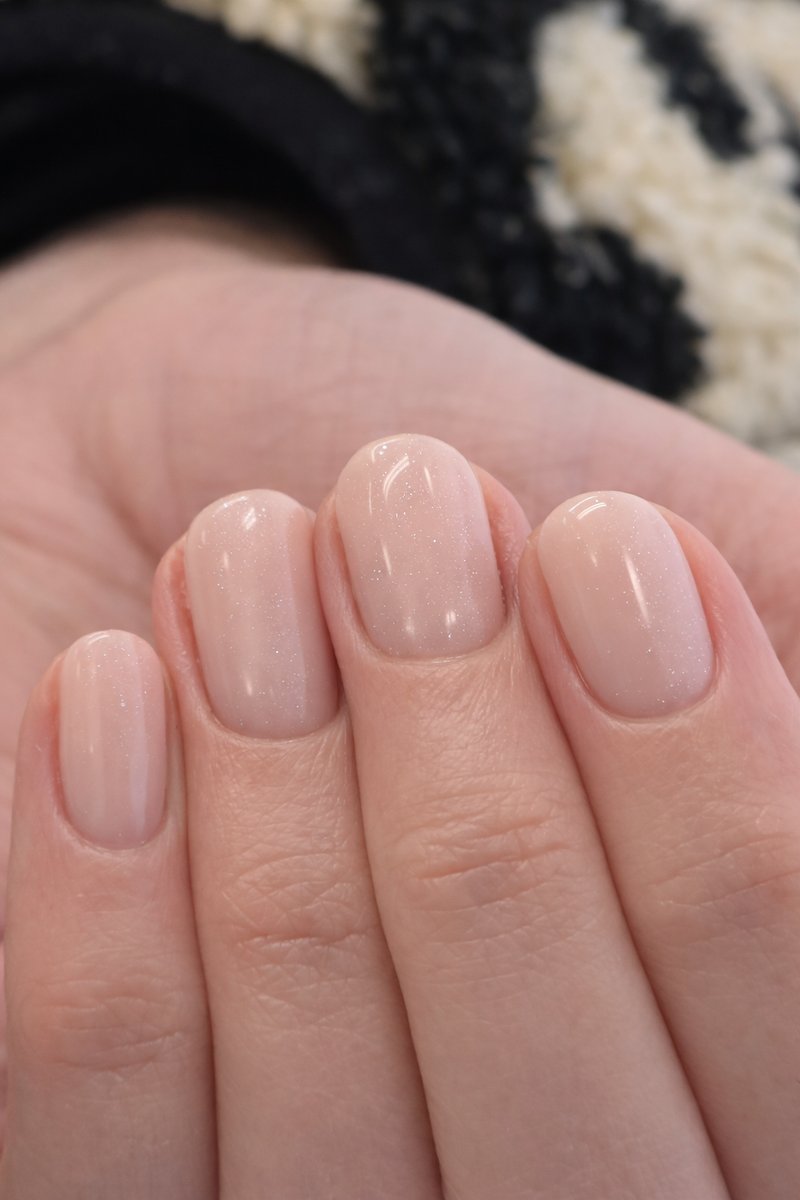
If your gel polish consistently lifts before three weeks, Russian preparation will fix that. Not might fix it. Will fix it. The dry prep removes the moisture barrier that causes early lifting, and the cleaner cuticle margin means product sits closer to the skin without touching it.
Tired of paying for three-week manicures that only last ten days? Russian manicure changes the maths. Yes, the appointment costs more. But you’re booking every four to five weeks instead of every two. Over a year, the number of appointments drops and the cost per week of wear actually goes down.
For BIAB or builder gel overlays, Russian preparation gives the best possible base. The combination of Russian prep with BIAB is what produces five to six week wear times. Without proper dry prep, even the best BIAB application won’t reach its full potential.
Healthcare workers, food handlers, nursery staff, anyone whose hands are constantly washed, gloved, and sanitised throughout the day will notice the biggest difference with Russian prep because it gives products the best chance of surviving that daily assault. The superior bond means the edges hold up longer against repeated hand washing and glove friction.
At Aesthete Beauty, both options are available. Radina has over 11 years of experience in the industry and can assess your nails, ask about your lifestyle, and recommend whichever preparation method will give you the best result.
Some clients alternate between the two depending on timing and budget. Others start with regular and switch to Russian once they see the wear-time difference. There’s no wrong choice, just different tools for different situations, and a good tech will steer you toward whatever gives the best result for your nails rather than pushing the more expensive option because it makes the booking total look better.
If you’ve only ever had regular manicures and you’re curious about trying Russian prep, book a Russian Manicure with Gel Polish appointment. That gives you the full experience, the cuticle preparation, the gel application, and the result that lasts. You’ll know within one appointment whether the difference justifies the price.
What is the difference between Russian manicure and a normal manicure?
A normal manicure soaks your hands in water and uses manual tools on the cuticles. A Russian manicure is done completely dry using an electric file with diamond bits to precisely remove dead cuticle skin. The dry method gives better product adhesion and longer wear time.
Why does Russian manicure last longer?
Because the nail plate is completely dry and free of dead skin when product goes on. Water soaking in traditional manicures leaves microscopic moisture under the gel, which causes earlier lifting as the nail dries and contracts over the following days.
Is Russian manicure worth the extra cost?
If you’re regularly rebooking before three weeks because of lifting, yes. The per-appointment cost is higher, but the per-week cost of wear is often lower because you book less frequently. Most Russian manicure clients settle into four to five week cycles.
Does Russian manicure hurt?
No. When done by an experienced tech, it’s comfortable and most clients find it relaxing. The cuticle powder used during e-file work reduces friction and heat. If you feel sharp pain at any point, tell your tech immediately as that means something needs adjusting.
Can I get Russian manicure with regular polish instead of gel?
Yes. The dry Russian manicure without any polish starts from £40. It’s the cuticle preparation only, and you can have regular OPI polish applied afterwards or leave your nails natural.
Is Russian manicure safe?
Yes, when performed by a trained, experienced technician. The technique has been standard practice in Eastern European salons for decades. All tools at Aesthete Beauty are cleaned between every client, disposable files are used once, and gloves are worn throughout.
How often should I get a Russian manicure?
Most clients come in every four to five weeks. If you have significant cuticle overgrowth from your first appointment, three-week intervals to start helps get things under control faster. After a few sessions, the maintenance becomes easier and intervals can stretch.
Whether you go for regular or Russian, the result comes down to who’s doing it and how they prepare your nails.
At Aesthete Beauty, 76 Bell St, Dundee DD1 1HF, both options are available with HEMA-free products and proper hygiene standards. Express manicure from £25. Gel polish manicure from £43. Russian manicure dry from £40. Russian with gel polish from £65.
Book online any time or call 01382 217888.
Whether you're looking to book a treatment or just have a question, we'd love to hear from you. Book online any time or get in touch using any of the options below.
We serve clients from across Dundee and the surrounding areas including the West End, Broughty Ferry, Newport-on-Tay, Monifieth, Carnoustie, and further afield.